Loop of Henle
This has 2 regions: ascending and descending limbs I'ts purpose is basically to minimise concentration of water
Pacinean corpuscle
When a pacinean corbpuscle experiences presure deforming stretch mediated sodium ion channels they release gallons of sodium ions which flow in (flow in where?). This leads to depolarisation I would LIKE to insert an image here for the pacinean corpuscle but im not sure how to do that yet so im going to procrastinate doing so
Glycogenolysis
this is the proccess by which glycogen is broken down into delicious glucose
Gluconeogenesis
This is the creation of glucose from non-carbohydrate substances
What are nootropics?
Nootropics, known as ”smart drugs” are drugs known to, in varying ways , alter brain activity and ability in positive ways , for example, memory, speed of thought , and logical thinking. Its etymology stems from the greek word “nóos”, meaning mind or intellect ad “trope”, a french word which itself is also derived from greek, “tropos”, meaning way or manner.
Caffeine
Caffeine is most likely the commonest and among the least controversial nootropic that can be found. However, a study by nature has found evidence that chronic consummation of coffee can lead to decreased functional connectivity in the somatosensory and limbic networks during resting state. as well as greater amounts of stress and , in males, anxiety.
Positives identified from the effects of coffee include higher performance in both vigilance and the executive control of visual attention . It has been linked to lower rates of depression in women.
Cholinergics
Cholinergics typically provide or initiate the production of acetylcholine precursors. Acetylcholine is a crucial compound for memory, thinking, counting, and attention. Acetylcholine is demonstrably important for memory. scopolamine, a known anticholinergic, has been shown to reduce ability to learn and remember new information.
These compounds are not typically thought of as nootropics, rather, “cognitive substances”. of these cholinergics phosphatidylcholine is the most evident to have an effect on memory. However, its effects on memory were only observed in mice with dementia, not in healthy mice.
this was far less apparent in human studies however and phosphatidylcholine was not shown to have a clear effect on memory.
Public Perception
The term “nootropic” was first used in 1972, however the concept of “smart drugs” came into the view of the general public after the release of the film “limitless” in 2011 . It is a film in which a failed writer takes a pill which gives him, basically speaking ,superhuman powers of cognition. Since then, named brands have been marketing, often pseudoscientific, holistic, possibly dangerous pills or supplements. There is a common statistic favoured among amateur nootropic enthusiasts, claiming that only 10 to 20 percent of the brain is ever being used , this has no basis in science and is believed to stem from a quote by William James: “as a rule men habitually use only a small part of the powers which they actually possess and which they might use under appropriate conditions.” a quote which, arguably, could be a polite early 20th century euphemism for procrastination. And not in any way a comment regarding brain chemistry.
What are the Applications, history and ethics of genetic engineering?
Introduction
Genetic engineering is a science that humans have already been practicing for thousands of years, by artificial selection, However since the 20th century multiple other methods of genetically altering populations and individuals have been developed. My aim is to investigate what these methods are and for what they can be used for. While also using the history of genetic engineering for building a framework to understand the nature of ethical issues taken up against the uses of these various technologies, specifically why we are so resistant to apply them to humanity. And if we were to, what would be the consequences?
What is Genetic Engineering?
Natural and Artificial Selection
Natural selection is the process that causes species to evolve regardless of human intervention. Most human attempts at genetic engineering up until the 20th century have been artificial selection. Exploiting random mutations in populations and selecting for those displaying the most sought after qualities.
CRISPR
CRISPR cas-9 , or “Clustered Regularly Interspaced Short Palindromic Repeats” , can be used in order to alter DNA sequences, including genetic deletions.
Research has already been explored using CRISPR in illnesses including single-gene disorders such as Cystic fibrosis, haemophilia, and sickle cell disease, as well as promise for more complicated diseases such as such as cancer, heart disease, mental illness, and human immunodeficiency virus (HIV) infection.
CRISPR cas-9 is an artificial adaptation of a naturally occurring genome altering technique used by bacteria when facing a viral infection, the bacterium “captures” a small part of the offending virus's DNA, incorporating it into its own structure in such a pattern to create what are known as CRISPR arrays. These function to help the bacterium to recognise the virus and deploy RNA strands from the CRISPR arrays which connects to the corresponding DNA segment on the virus and uses the enzyme cas 9 to cut the DNA apart , disabling the virus. This same mechanism is exploited in artificial conditions, in order to trigger DNA predetermined alterations, whether or not a virus is present.
Applications of genetic engineering
Animal and plant alterations
Dolly the sheep
The best known example of reproductive cloning and first example of reproductive cloning of a mammal from an adult cell is Dolly the sheep, part of the Roslin institute’s research into the production of genetically modified livestock and farm animals. Prior to her creation in 1996, it was thought impossible to use reproductive cloning, and so controversial was it that her existence was only known publicly 8 months after she had been born due to a media leak, after which massive debates over the ethics of cloning were triggered. Dolly had 3 mothers, the nucleus belonged to a Finn dorset sheep, This was the mother she was genetically identical to. This nucleus was put into the empty egg cell of a Scottish Blackface, within 6 days normal development could be established and the egg was put into a surrogate mother, another Blackface sheep. Following this, fears immediately grew of this technology being used on humans. Which came as a shock to the Roslin institute team and professor ian Wilmut, the leader of the research that created Dolly, as they had never intended for their work to be applied to humans.
Dolly’s death was also controversial, in the autumn of 2001 she developed arthritis, unusually early in the life of a Finn dorset sheep. This confirmed for many an already existing suspicion that cloned animals have shorter lifespans. There was Another cloned sheep called Cedric, though importantly cloned very differently from Dolly, Cedric was one of four sheep, the others being Cecil, Cyril, and Tuppence. All of which were identical and cloned from an embryonic cell , not an adult cell as was with Dolly. In 2000 Cedric died of sheep pulmonary adenomatosis (SPA), an incurable disease brought about by a virus inducing tumours in the lungs. It is now believed that this was linked to other, non cloned sheep in her flock also contracting the disease.
In 2003 one of the animal care workers looking after Dolly reported her coughing. Four days later she underwent a CT scan, which confirmed she too was developing tumours in her lungs. She was put down, dying at 6 and a half years old, the life expectancy of a Finn dorset sheep being 11 or 12 years.
The Roslin Institute, Ian Wilmut and most scientific authorities maintain Dolly’s early death was coincidental to her cloning. Since Dolly's death other such cloned animals have not shown signs of unusually early death. Though Dolly’s early signs of illness significantly set back public perception of cloning and genetic engineering. Her early death was perceived by some religious groups as a divine warning or intervention.

Golden rice
Golden rice is a strain of rice developed to produce beta carotene. provitamin A, a plant pigment that the body converts into vitamin A when needed via the addition of two enzymes, rendering the gold hue it is named for, the same vitamin A found in green leafy and yellow-colored vegetables and orange-colored fruit . Ordinary rice does produce beta carotene however not in the grains themselves. Golden rice does not require any specific agricultural techniques. There are, of course, other sources of beta carotene that exist, however availability, accessibility, and affordability all prevent the issue of vitamin A deficiency from being addressed by conventional food sources of vitamins. One of the reasons rice specifically was genetically engineered to produce beta carotene is that the areas and nations suffering from vitamin A deficiencies tend to be those that happen to favour the cultivation of rice.
An economist article “How to raise the world’s IQ: Simple ways to make the next generation more intelligent” addresses the importance of this kind of vitamin deficiency.
Globally, 22% of under-fives—roughly 150m children—are malnourished to the point of stunting. That means their brains are likely to be stunted, too. Half the world’s children suffer micronutrient deficiency, which can also impede brain development. Poor nutrition and a lack of stimulation can translate into a loss of as many as 15 IQ points. This has woeful consequences: one study found stunting led to incomes being 25% lower. Damage incurred during the first 1,000 days after conception is likely to be permanen
Vitamin A deficiency (VAD) is a public health problem in more than half of all countries. often poorer, more isolated countries in Africa and South-East Asia. Affecting 250 million people worldwide, though to varying degrees. The most severe effects of this deficiency are seen in young children and pregnant women in low-income countries. It is the leading cause of preventable blindness in children. Every year up to 500 000 children lose sight as a direct result of VAD. Half of these children go on to die in the following 12 months of losing their sight. In a 2011 to 2012 Bangladeshi national survey showed that 20% of children under 5 had VAD. Vitamin A is essential for various functions in the human body such as development and functioning of the visual system, differentiation and maintenance of cells, epithelial membrane integrity, and production of red blood cells, immune system, reproduction, and iron metabolism.
Golden rice is an example of the potential for genetically modified crops to be deployed for humanitarian aid and Improve living conditions for isolated or poor groups.
curing/eliminating disease
Monogenic conditions
Huntington’s disease
Huntington’s disease is an autosomal dominant genetic illness, that is to say, any child of a parent with Huntington's has a 1 in 2 chance of developing it However, something to keep one up if they're under 30, in rare cases it can appear it those even without a parent with the condition, I could have it and have no idea, so could you. Huntington’s is a slow degenerative disease early symptoms tend to arise during middle age, between 30 and 50 years old, early symptoms include: involuntary jerking, difficulty speaking clearly, swallowing problems, increasing rigidity, speaking problems, change in personality, difficulty moving around. In later years all independence is stripped from the sufferer and usually need a nurse for all of their daily activities until their, more often than not, early death.
Even worse is a rarer form of Huntington's is the juvenile form,which begins in childhood or adolescence. Juvenile Huntington's disease tends to progress more quickly than the adult-onset form. signs of the juvenile form include slow movements, clumsiness, frequent falling, rigidity, slurred speech,school performance declines as reasoning ability fails and drooling, 30 - 50 percent of children experience seizures. sufferers usually die 10 to 15 years after symptoms appear, most of those years spent without independance and increasingly degenerating cognition.
Huntington’s is caused by a variant in the HTT gene.
On the 4th chromosome lies a segment of repeating CAG triplets, coding for glutamine. In most of us this sequence repeats 36 or fewer times, those with huntingtons have an abnormal number of repeats. Those with between 36 to 39 CAG repeats stand a chance of developing Huntington's though they may go on to live a healthy life. people with 40 or more repeats are almost guaranteed to develop huntington’s , the most that a human has been found to have is 120 repeats.
Cystic fibrosis
Cystic fibrosis is an autosomal recessive life-shortening illness caused by mutations in the CFTR (Cystic fibrosis transmembrane conductance regulator) gene. There have been over 1000 possible mutations in the CFTR gene. The most common of these mutations, delta F508, is a deletion of one amino acid at position 508 in the CFTR protein. This causes the resulting abnormal channel to break down shortly after it is made, so it never reaches the cell membrane to transport chloride ions, which is fundamentally the issue leading to Cystic fibrosis, the improper transport of chloride ions. causing cells that line the passageways of the lungs, pancreas, and other organs produce mucus that is abnormally thick and sticky.
Cystic fibrosis causes mucus to coat the lungs, causing breathing problems and a higher risk of lung infection, mucus clogs the pancreas , which stops enzymes reaching food in the gut and helping with digestion. Other symptoms include difficulty putting on weight and growing, jaundice, difficulty conceiving in men , diarrhoea or constipation. Those diagnosed with Cystic fibrosis are also more likely to develop osteoporosis, liver problems, diabetes and nasal polyps or sinus infections.
Neither parent may show any symptoms though still bear afflicted children, due to the nature of autosomal recessive alleles.In the United kingdom, there is already genetic screening in place for Cystic fibrosis. As well a sweat test, as an indicative symptom is unusually salty sweat.
Mutations in the CFTR gene are also responsible for a related, though often separate condition called congenital bilateral absence of the vas deferens. Most men with Cystic fibrosis suffer from this condition.
The national library of medicine describes the condition:
Congenital bilateral absence of the vas deferens occurs in males when the tubes that carry sperm out of the testes (the vas deferens) fail to develop properly. Although the testes usually develop and function normally, sperm cannot be transported through the vas deferens to become part of semen. As a result, men with this condition are rendered infertile unless they use assisted reproductive technologies. This condition has not been reported to affect sex drive or sexual performance.
Parkinson’s Disease
Parkinson’ disease is a progressive disorder of the nervous system, meaning symptoms worsen over time, as in Huntington's. early physical signs are tremors in limbs, especially when at rest, later symptoms can involve stiffness, Issues with balance and coordination, inability to move.
Cognitive signs of Parkinsons can also arise in some sufferers. They could suffer from changes in emotions and thinking ability. As well as develop psychiatric conditions such as depression and visual hallucinations. Parkinsons also increases the risk of developing dementia .
Most cases of Parkinson’s are late onset (sufferers older than 50 years old), meaning that it will become more of an issue with ageing populations, such as in most first world countries.
Roughly 15 percent of those diagnosed with Parkinson's disease have a family history of it. These familial cases may be caused by variants in certain genes (LRRK2, PARK7,PINK1, PRKN, or SNCA). variants of these same genes are also thought to contribute to cases that appear to not be inherited (sporadic) Certain other genes including GBA1 and UCHL1 do not necessarily cause Parkinson’s disease but increase the likelihood of developing it. Variations in other genes that have not been identified probably also contribute to Parkinson's disease risk, though it is not fully understood how these genes affect the probability of developing Parkinson's disease.
Haemophilia
Haemophilia is mostly known for continuous bleeding, though other symptoms include bruising easily and joint pain. All of which are caused by an inability for blood to clot properly. There are two kinds of haemophilia, types A “classic haemophilia” and B “Christmas disease”. (An unusual form of type B, B leydon, causes sufferers to experience severe bleeding in childhood before experiencing fewer bleeding problems after puberty) , which despite both having similar symptoms, are brought about by different genes. Types A and B are brought about by mutations in genes F8 and F9 respectively. Due to these genes being on the X chromosome Haemophilia is primarily found in boys, as males only have one X chromosome, women have two, meaning a mutation in one can be accounted for by the other. This is called an X-linked recessive pattern. another consequence of the X-linked recessive pattern is that fathers cannot pass X-linked traits to their sons.
Sickle cell anemia
Sickle cell disease is an illness caused by sickle shaped red blood cells, symptoms are, anemia, painful episodes and a higher vulnerability to infection. Sickle cell disease is caused by a mutation in the haemoglobin-Beta gene found on chromosome 11 called the HBB gene. It is a recessive condition. Interestingly, something that seems to separate this condition from the others we've covered, is that it may have been a beneficial adaptation to increase likelihood of survival, most sufferers originate from Africa or are hispanic, e.i , areas with high concentrations of malaria. A sample of the national database from 2016 to 2018 was taken. Of the data set, 93.4% of sickle cell patients were of african descent, 4.8% were hispanic and only 1.8% were caucasian. malaria is especially present in africa. carrying a heterozygous pair of the dominant non sickle cell allele ( AS), allows an immunity to the parasite Plasmodium falciparum, the parasite responsible for malaria, granting an advantage with populations with sickle cell trait. many of these descendants have now immigrated to other countries with less malaria or medical advances have put a stop to it being as dangerous as it was when the sickle cell trait developed. Causing sickle cell disease to be a “hangover”.
Polygenic Conditions
So far all we have explored have been monogenic conditions caused by a single gene (HTT, MSTN). though there are many applications of genetic engineering to polygenic alterations, that is to say, aspects of organisms controlled by multiple genes (eg, height, intelligence, hand size). Genetic engineering in polygeny proves to be far riskier and difficult, and often to less obvious advantages.
Schizophrenia
Schizophrenia tends to run in families, though no specific gene has been isolated, it is believed multiple genes affect if someone is likely to develop schizophrenia. If one individual of a pair of twins develops schizophrenia there is a 50/50 chance the other twin does as well, regardless of whether or not they are raised together .
Schizophrenia often shows itself in adolescence, early warning signs are difficult to spot. as they are misinterpreted as teenage “moodiness” or just a phase for example symptoms such as becoming socially withdrawn and unresponsive or changes in sleeping pattern.
A subsection of schizophrenia, acute schizophrenia. Involves especially severe forms of these symptoms, followed by them momentarily showing dramatically fewer symptoms, or stopping completely.Sufferers may go on to suffer hallucinations or delusions, the most commonly recognised symptoms.
Sufferers can also appear to withdraw from the world around them, take no interest in everyday social interactions, and often appear emotionless and flat.
While we may never really understand, or know how to completely prevent schizophrenia, we do know there is a genetic component to the risk, even then, symptoms are brought about by external factors. With the right research, we may be one step closer to understanding how to prevent, treat, possibly even cure it.
Intelligence
intelligence is a highly polygenic factor, genome-wide association studies (GWAS) identified thousands of DNA variants each contributing minor changes.
CHRM2 gene:
“The CHRM2 gene is thought to be involved in neuronal excitability, synaptic plasticity and feedback regulation of acetylcholine release and has previously been implicated in higher cognitive processing.”
This gene is one of the most promising in terms of showing proportionality regarding its variation and its effect on results on standardised intelligence tests.
BDNF gene:
Brain-derived neurotrophic factor (BDNF) is believed to play an important role in regards to neurodevelopment.NRG1 gene:
“NRG1 may have important associations with cognition that are also shared with psychopathology and intelligence, thus it is important to measure these factors to better understand these relationships and to allow their effects on NRG1-cognition associations to be examined.”
NRG1 has been suggested to be involved in neuron development and function, sometimes linked to cognition.
Changing human traits
Myostatin related hypertrophy
Myostatin related hypertrophy, a condition causing reduced body fat and increased muscle mass, as well as greater muscle strength. It was first described in 1807 by the British farmer H. Culley as bovine muscular hypertrophy or “ cattle double muscling” informally. The phenomenon has since been seen in humans as well as cats, pigs, and fish. The cause of the condition is a mutation of the MSTN gene, the MSTN gene regulates the production of myostatin which is a negative regulator of skeletal muscle mass. The mutation present in the MSTN gene in myostatin related hypertrophy decreases the amount of myostatin released, ceasing control over muscle growth ,resulting in the phenotype.other than increased muscle mass and decreased body fat, no other effects have been noticed, mental or physical. In 2015 researchers at Guangzhou Institutes of Biomedicine and Health tried to artificially induce myostatin related hypertrophy in beagles, of the two beagles that were genetically modified, only one had increased muscle mass.
Myostatin related hypertrophy is a good case study to introduce the application and importance of genetic engineering as it is relatively non dangerous, monogenic and the advantages of it are obvious, whether for physical labour or military applications.
Tetrachromacy
tetrachromacy is another sex linked trait related to the nature of X chromosomes. It is brought about due to the same mutation that causes forms of colour blindness in males.
The human eye has cone cells and rod cells. Rod cells are responsible for vision with little light, they do not pick up colour. Cones are responsible for detecting wavelengths of light, red (L cones , L for long as red is the longest wavelength in our visible spectrum), green (M cones, for medium, for much the same reason) and blue (S cones). a mutation can occur in X chromosomes, affecting L cone cells, shifting the focused wavelength for a more orange hue than red. As males only have one copy of the X chromosome, this completely deprives the sufferer from being able to see red. Females however have 2 X chromosomes, meaning if one goes wrong the other can compensate and allow them to still see red, hence why colour blindness is an overwhelmingly male trait, but that's not all, not can the females still see red thanks to the non defective X chromosome, they are still experiencing the effect of the altered orange cones, in effect giving them a fourth type of cone cell. To be clear, these new cone cells do not detect wavelengths that lie outside of the visible spectrum. Rather they see within the same spectrum as us, but with far more detail and chromatic intricacy. Not to mention, this specific condition could only be a stepping stone for other such cone cell alterations, not only increasing the range of wavelengths that can be detected, but also increasing the range of different types of cone cells that lie between our visible spectrum.
This particular condition lies further out of the scope of reality of being able to work with sex chromosomes, meaning this gene alteration may only be possible for women, or at the very least anyone with 2 X chromosomes, not to mention the increased risks when working with sex chromosomes. Opening possibilities of infertility or unforeseen consequences to children.
Similarly to myostatin related hypertrophy, this example of a benefit of gene alteration may seem vain or unnecessary compared to the other lifesaving or great benefits to quality of life to sufferers, however I hope it highlights the potential of genetic engineering to improve quality of life overall societally, rather than only through special cases.
De-extinction
Colossal is a biosciences company working to prevent and undo extinction, restoring populations in ecosystems or accounting for human interference such as poaching or habitat loss. They are working on bringing back extinct species, such as the dodo, wooly mammoth and dire wolf. The stated reason for this is to encourage biodiversity, citing the fact that in the present day the extinction rate has risen 1000 to 10000 times the background extinction rate.
On the first of october 2024, two male dire wolves were born, derived from the genetic information of dire wolf wolf fossils, which were accumulated and spliced into the dna sequence of grey wolves, they made 20 edits in 14 different genes before the altered egg cell was brought to term by large, mixed breed, domestic dogs.
On the matter, the co-founder of Colossal had this to say on the subject of the dire wolf de-extinction;
“Preserving, expanding and testing genetic diversity should be done well before important endangered animal species like the red wolf are lost. Another source of ecosystem variety stems from our new technologies to de-extinct lost genes, including deep ancient DNA sequencing, polyphyletic trait analyses, multiplex germline editing, and cloning. The dire wolf is an early example of this, including the largest number of precise genomic edits in a healthy vertebrate so far. A capability that is growing exponentially.”
However, many of the animals colossal focuses on have long been extinct, one might question the purpose of De-extinction for these species. The dire wolf has been extinct for roughly 10000 years. The dodo, for which its DNA sequence was sequenced in 2016, has officially been extinct since 1681, and specifically lived on the island of Mauritius .The wooly mammoth has been extinct for 4000 years. all of these animals’ habitats may have changed beyond still being viable. There is also the issue of tampering with ecosystems. reintroducing these extinct species to habitats in which other animals have already filled their niche may have unforeseen consequences for biodiversity and population control.
There is also the factor that classifying the newborns on October the first 2024 as “dire wolves” is misleading and oversimplified. A more accurate description is genetically altered grey wolves made to display the traits we know dire wolves had.

Ethics and History of Genetic Engineering
Religious Beliefs
Many religious groups stand opposed to genetic engineering, whether due to the implications for the soul in cloning or because they find the idea of “playing god” offensive. While we currently have few bases on polling religious groups on their opinions on human genetic engineering, largely due to its illegality in many countries , however public opinions on GMOs are readily available, which may provide an opportunity to infer potential opinions for further forms of genetic engineering.
Interestingly, those of Jewish faith oppose the technology the least, possibly because jewish doctrine more so supports the idea of humans being co-creators with God as opposed to underlings. Religious groups’ opinions of genetically modified food were taken in a study in 2001: 36% of Protestants were in favour, Catholics 42%, Muslims 46% and Jews 55%.
On the subject of cloning, the problem often taken up by religious groups is the issue of souls, as well as perhaps a more secular issue shared by atheists and agnostics regarding individuality and free will.
The Korean scientist, Hwang Woo-Suk , was implicitly involved in the world of genetic engineering, specifically cloning. highlighted his own faith on the matter of justification for cloning, ethically and religiously:
"I am a Buddhist, and I have no philosophical problem with cloning. And as you know, the basis of Buddhism is that life is recycled through reincarnation. In some ways, I think, therapeutic cloning re-starts the circle of life.”
Cloning
There is a difference in practice and opinion of therapeutic cloning and reproductive cloning. The difference is worth stressing, especially because therapeutic cloning is often misinterpreted as reproductive cloning and judged or rejected by layman individuals based on religious or ethical beliefs. Therapeutic cloning aims to produce embryonic stem cells which can be used for experimentation or reproducing diseased or damaged tissues, this is often less problematic to religious groups due to its minimal extent. though still raises issues of “playing god” or in any way producing life outside of the “natural order”. Reproductive cloning is the best known application to the public eye, the subject of science fiction stories and fear mongering rhetoric.
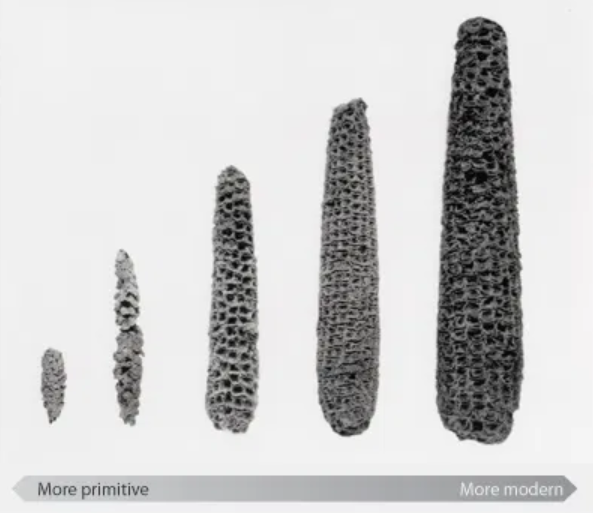
Genetic engineering is not limited to complex modern techniques. Humans have been using artificial selection for thousands of years, that is to say,to isolate individuals in a species that demonstrate desirable traits, for example friendliness in wolves or size of fruit in plants.
Eugenics
Eugenics is the concept of applying artificial selection to humans, preventing those with “undesirable” traits from passing their genes onto the next generation. It has historically been closely linked to scientific racism, the concept of justifying racial bias via scientific justification.
‘By the 1920s, eugenics had become a global movement. There was popular, elite and governmental support for eugenics in Germany, the United States, Great Britain, Italy, Mexico, Canada and other countries. Statisticians, economists, anthropologists, sociologists, social reformers, geneticists, public health officials 3172 and members of the general public supported eugenics through a variety of academic and popular literature.’ national human genome research institute
The term eugenics was coined by Francis Galton. Galton defined eugenics as “the study of agencies under social control that may improve or impair the racial qualities of future generations either physically or mentally.” On the subject, The national human genome research institute has this to say :
‘Galton claimed that health and disease, as well as social and intellectual characteristics, were based upon heredity and the concept of race.’
l support for eugenics in Germany, the United States, Great Britain, Italy, Mexico, Canada and other countries. Statisticians, economists, anthropologists, sociologists, social reformers, geneticists, public health officials and members of the general public supported eugenics through a variety of academic and popular literature.’ - national human genome research institute.
However, during the 1930s and 1940s the nazi party grew, holding even more extreme and severe beliefs on racial purity and eugenics. The Nazis euthanized a minimum of 70,000 adults and 5200 children. they implemented forced sterilisation for at least 400,000 people. Targeting those they deemed “racially impure” (eg, of Jewish heritage, Sinti and Roma ethnic groups) or ‘defective’ (By which they meant, for example disability or homosexuality).
In 1927 a Virginia state law allowing the mandatory sterilisation of inmates in mental institutions was deemed by congress as constitutional in the court case Buck vs Bell. The plaintiff, Carrie Buck, was deemed “feeble minded”. mental illness had been in her family for the past three generations. One of the court's justified the act as preventing the United States from, as the court said: “being swamped with incompetence” observing that “Three generations of imbeciles is enough.”
Sanjana Manjeshwar observed in the Berkeley Political Review in 2020:
‘California’s “Asexualistion acts” in the 1910s and 1920s led to the sterilization of 20,000 disproportionately Black and Mexican people who were deemed to be mentally ill. Hitler and the Nazis were reportedly inspired by California’s laws when formulating their own genocidal eugenics policies in the 1930s. When discussing the Asexualization Acts of California, Hitler wrote, “There is today one state in which at least weak beginnings toward a better conception [of citizenship] are noticeable. Of course, it is not our model German Republic, but the United States.”’
The problematic history of Eugenics and its consequences has since shown us to beware of the thought processes when addressing genetic changes in humanity, and its opportunity to be implemented to racist, discriminatory or even genocidal ideology and practice.
The consequences of restrictions and bans on genetic engineering by governments
Whilst the risks of genetic engineering are dangerous, to both those undergoing the process and society as a whole. A complete ban might simply lead to those that would otherwise seek treatment turning to underground treatment or to counties with lax regulations.
Without the legislation legalising and facilitating genetic engineering, allowing the government to regulate the quality and health and safety of the medical procedure taking place. Those willing and able to seek it illegally, and therefore dangerously, are more likely to do so away from the supervision of the government.
this phenomenon is already recognised in banning abortions and increasing risk of dangerous drugs.
He Jiankou Genome Editing Incident
He Jiankou was a Chinese scientist working at the southern university of science and technology in shenzhen. He started a project which attempted to research HIV related infertility problems using a combination of in vitro fertilisation and CRISPR gene editing. The aim being to edit the genomes of human embryos, removing the CCR5 gene, a mutation that already exists naturally. The project was put to a stop in late november 2018. international outrage was sparked by this activity after it was publicly revealed. As a result of his experimentation 2 babies assigned the pseudonyms “Lulu” AND “Nana” a third child was also born in 2019 .
This case study highlights the danger of genetic engineering being so easily accessible, especially for scientists. Children born under these conditions can not consent to the genetic alterations and there are risks of their parents being illegally forced or encouraged to allow their children to be genetically engineered.
Conclusion
While genetic engineering holds a lot of potential, via historical precedence and ethical considerations, I have come to the conclusion that genetic engineering should be highly regulated. As it has far ranging consequences to human welfare and rights. However its potential benefits for medicine are incontrovertible.
It brings with it the potential to irradiate genetic diseases, reduce the cost of food production as well as increase food quality and nutritional value.
its applications in De-extinction are promising though hold potential threats to ecosystem balance so should be approached cautiously.
Certain changes in human traits may be inadvisable. as they might create tensions between non altered and altered individuals. say at some point in the future those who underwent genetic alteration for longer lifespans, higher muscle mass, greater intelligence, may see themselves as superior to their non-altered peers. The difficulty is that up to this point in history all racist rhetoric has been unjustifiable and objectively incorrect. problems may arise when a particular group of people is objectively and measurably better at almost all tasks and biological processes.
Carbohydrates
Monosaccharides
Glucose
Lactose
Fructose
There are actually way more than that but for a level chemistry AQA (which is what I’m doing) you don’t have to know about them.
Disacharides
These are just combinations of the monosaccharides.
All of the following contain glucose.
Galactose: combination of Lactose and glucose
Some people remember this by noticing that the word “lactose” is inside of the word “gaLACTOSE”
Personally I’ve always remembered it because lactose is milk related, and what is milk used to make? Milk chocolate. And what’s a kind of milk chocolate? Galaxies. And what does that sound like? Galactose. And bang it’s just that simple
Sucrose: fructose and glucose
What does fructose sound like? Fruit. What does fruit contain? Sugar. What does sugar sound like? Sucrose. And just like that I’ve achieved the possible.
Maltose: Two glucoses
Glucose is the most sugary of all the monosaccharides, malt is a very sugary sounding name. So it stands to reason that maltose should have 2 glucose. Gluci? Glucoses? Glucopodes?
Epistasis
When one gene masks of interferes the expression of another gene at a different locus, this causes weird, unexpected phenotypic ratios
Summation
Temporal
Temporal summation uses rapid, high frequency inputs from a single synapse to reach to action potential
Spacial
Spatial summation combines multiple inputs from multiple synapses to reach action potential
Light independent reaction (or calvin cycle)
Carbon dioxide combines with ribulose bi-phosphate (RuBP)
Produces 2 glycerate-3 (GP) with the aid of rubisco
The GP is reduced to trios phosphate (with NADPH+ and using energy provided by ATP)
The triose phosphate is converted to an organic substance (eg glucose)
Breathing In And Out
In
Diaphragm muscle contracts, pulling diaphragm down. The intercostal muscles contract, moving ribs upwards and outwards. Volume increase + pressure decrease in thoracic cavity.
Out
Diaphragm muscle relaxes, diaphragm pulls up. Intercostal muscles relax. Ribs move down and in. Volume decrease + pressure increase in thoracic cavity.
benedicts solution
turns from blue to red when heated with reducing sugars